
Radiation Tissue Wounds
Radiation Tissue Wound Care in Dallas and Mansfield, TX
Common Signs and Complications of Radiation Tissue Damage
- Skin Changes – Persistent redness (erythema), dryness, peeling, or a "sunburned" appearance that does not resolve.
- Fibrosis – Hardening or thickening of the skin and underlying soft tissues, often leading to reduced flexibility.
- Non-Healing Ulcers– Open sores or wounds that fail to show signs of improvement through standard wound care.
- Telangiectasia – The appearance of small, dilated blood vessels near the surface of the skin, often looking like spider veins.
- Necrosis – Tissue death caused by a lack of blood supply to the affected area, which can lead to deep, painful wounds.
- Increased Infection Risk – Compromised skin barriers and poor circulation make the area highly susceptible to bacterial infections.
- Lymphedema – Swelling in the limbs or affected area due to damage to the lymphatic drainage system.
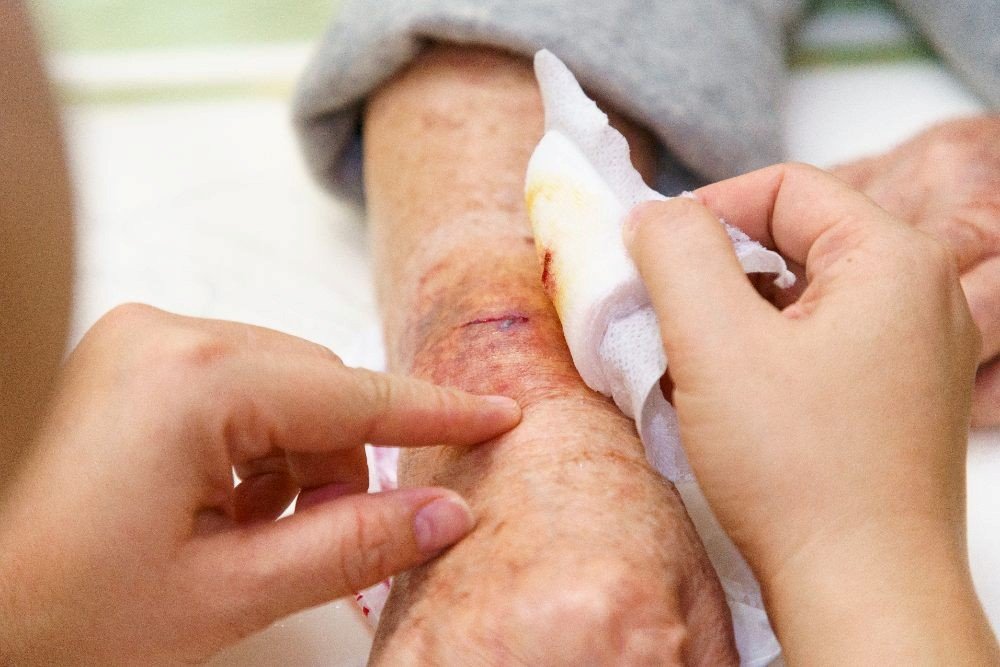
Challenges of Radiation-Induced Wound Healing
Traditional wound care often falls short when treating radiation-induced injuries due to the biological changes in the tissue. In a healthy environment, the body rushes oxygen and nutrients to a wound site to stimulate healing; however, radiation-damaged tissue lacks the necessary capillary density to support this process. This creates a stalled healing cycle where the wound remains open indefinitely. Furthermore, the lack of healthy blood vessels makes it difficult for oral antibiotics to reach the site of an infection, making localized radiation wound care and treatment a complex clinical challenge.
Another challenge when treating radiation tissue damage is that with certain conditions, such as radiation cystitis (urinary bladder damage) and radiation proctitis (rectum damage), there are no external wounds. A patient’s surgical team may notice internal damage through scoping and biopsy and may recommend our comprehensive wound treatments to help the healing process.
Radiation Wound Care and Treatment Options
- Hyperbaric Oxygen Therapy (HBOT) – This serves as a primary intervention to reverse radiation-induced tissue hypoxia by stimulating angiogenesis and collagen synthesis in the damaged area.
- Specialized Wound Dressings – The use of moisture-retentive, non-adherent dressings helps protect the fragile integument from further mechanical trauma and prevents desiccation.
- Debridement – Conservative surgical or enzymatic debridement is used to remove necrotic tissue, though it must be performed cautiously to avoid exacerbating the underlying vascular insufficiency.
- Growth Factors and Bioengineered Skin – Application of topical growth factors or skin substitutes can help close recalcitrant wounds that fail to respond to traditional therapies.
- Surgical Reconstruction – In severe cases, vascularized free flaps or pedicled flaps from non-irradiated donor sites are necessary to bring a healthy blood supply to the affected region.
Advanced Radiation Tissue Injury Management Solutions
Importance of Ongoing Wound Care for Radiation Tissue Damage
Specialized Radiation Wound Treatment in Dallas & Mansfield, TX