
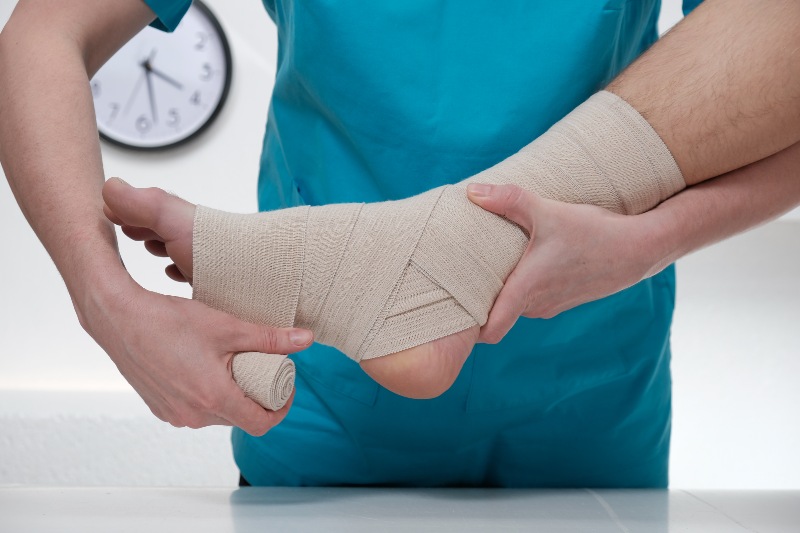
At DFW Wound & Hyperbarics, we’ve treated many patients who waited a few extra weeks before coming in, only to find that what started as a minor issue has turned into something far more complicated. The importance of wound care in Dallas and Mansfield, TX, isn’t just about treating what’s visible on the surface; it’s about stepping in before a wound has the chance to worsen.
How Wounds Heal
During wound recovery, the body moves through overlapping phases, starting with inflammation to clear out damaged tissue and bacteria, followed by the formation of new tissue, and finally a remodeling phase where the skin strengthens and matures. Under normal circumstances, this process runs smoothly on its own, but certain conditions can interrupt it. Poor circulation, diabetes, infection, and even repeated pressure on the same area can stall recovery at any of these phases. When that happens, a wound that should have closed in a few weeks can linger for months.
The Dangers of Delayed Wound Treatment
Waiting to treat a wound rarely makes it easier to manage later. Bacteria have more time to multiply, increasing the risk of infection spreading to deeper tissue or even into the bloodstream. Chronic wounds that go untreated can also lead to tissue death, and in severe cases, amputation becomes a possibility, particularly for diabetic wounds affecting the feet and legs.
Delayed wound treatment also tends to cost more in the long run, both in terms of the complexity of care needed and the time it takes to recover. What might have been a straightforward wound care visit early on can turn into weeks of advanced treatment.
Who Is Most at Risk for Wound Complications?
Some people face a higher risk of wound complications than others. Those with diabetes are particularly vulnerable, since elevated blood sugar can impair circulation and slow the body’s natural response. People with vascular disease, weakened immune systems, or limited mobility, such as those confined to a bed or wheelchair for extended periods, also face a greater risk of wounds progressing into something more serious.
Older adults tend to heal more slowly in general, which makes early wound treatment especially important for this group. Smokers and individuals with poor nutrition also face added challenges, since both factors can interfere with the body’s ability to repair tissue efficiently.
Benefits of Early Wound Care Intervention
Getting ahead of a wound rather than waiting it out offers advantages. Early management can help you avoid a much longer, more difficult recovery process. Early wound care intervention often means:
- Faster recovery times, since treatment begins before infection or tissue damage has a chance to set in
- Lower risk of complications like cellulitis, sepsis, or the need for surgical intervention
- Reduced overall cost of care, as early treatment usually requires fewer advanced interventions
Warning Signs That Require Immediate Attention
Certain symptoms should prompt a visit rather than a wait-and-see approach. Increasing redness or swelling around a wound, pus or unusual drainage, a foul smell, fever, or pain that gets worse instead of better are all signs that something isn’t right. Wounds that haven’t shown improvement after several weeks also fall into a category that needs professional evaluation rather than continued home care.
Advanced Treatment Options Available Early
Catching a wound early opens up treatment options that become less effective, or unavailable altogether, once a wound has progressed. Debridement to remove damaged tissue and advanced wound dressings designed to maintain optimal moisture all tend to work best when introduced sooner rather than later. Compression therapy and offloading techniques for pressure-related wounds are also far more effective when started before tissue damage becomes extensive.
How Specialized Wound Care Centers Improve Outcomes
General care has its limits, especially for wounds tied to diabetes, poor circulation, or prolonged recovery challenges. Specialized wound care centers bring together diagnostic testing, advanced therapies, and ongoing monitoring that most primary care settings aren’t equipped to provide. This focused, coordinated care is often what separates a wound that shows progress within weeks from one that drags on for months.
When Should You Schedule a Wound Evaluation?
If a wound hasn’t shown noticeable improvement within two weeks, keeps reopening, or shows any signs of infection, it’s time to schedule an evaluation rather than continue waiting. This is especially true for anyone managing diabetes, circulation issues, or limited mobility, since these factors make early wound treatment even more critical.
Learn More About Wound Care
Are you dealing with a wound that won’t get better? Schedule an evaluation and get treatment started at DFW Wound & Hyperbarics. Our team in Dallas and Mansfield, TX, focuses on stepping in early, before a manageable wound turns into a complicated one.