
Bone Infection Wound Care
Bone Infection Wound Care in Dallas and Mansfield, TX
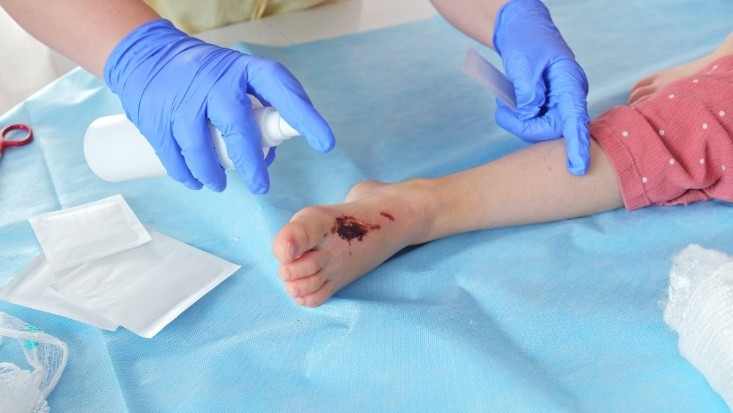
Understanding Bone Infection Wounds
Bone infection wounds occur when bacteria or fungi enter the bone tissue. This usually happens through a deep open wound, a severe fracture, or the bloodstream. Once the infection sets in, the bone marrow swells. Because bone tissue is rigid, this swelling restricts blood flow, causing parts of the bone to die if left untreated.
These infections are notoriously difficult to treat. Bone tissue naturally has a lower blood supply than muscles or skin, making it harder for your immune system and oral antibiotics to reach the affected area. Effective treatment requires a comprehensive, dedicated approach to stop the infection from spreading to surrounding tissues or joints.
Causes and Symptoms of Infected Bone Wounds
Understanding how these infections start is the first step toward effective prevention and treatment. Bacteria, specifically Staphylococcus aureus, cause the majority of bone infections. These germs can invade the bone through several pathways:
- Traumatic injuries – Deep puncture wounds, animal bites, or open fractures where the bone pierces the skin allow bacteria direct access to the bone.
- Surgical Procedures – Joint replacements or fracture repairs carry a small risk of infection.
- Poor Circulation – Conditions like diabetes or peripheral artery disease reduce blood flow. A simple foot ulcer can quickly deepen and infect the underlying bone.
Recognizing the signs early greatly improves your chances of a full recovery. Common symptoms include:
- Severe, localized pain at the infection site
- Swelling, warmth, and redness around the wound
- Pus or yellow drainage seeping from the wound
- Fever, chills, and excessive sweating
- Fatigue and a general feeling of illness
Bone Infection Wound Care and Medical Treatment Approaches
Standard bone infection wound care requires a two-pronged approach of eliminating the bacteria and creating a healthy environment for the tissue to heal. Doctors typically prescribe a prolonged course of strong antibiotics, often administered intravenously (IV) for several weeks. This ensures the medication reaches the bone tissue in high enough concentrations to fight the bacteria.
Alongside antibiotics, effective bone infection wound treatment often involves surgery. A surgeon will perform a procedure called debridement. During debridement, the surgeon removes dead, damaged, or infected bone and tissue. This stops the infection from spreading and leaves only healthy, bleeding bone in place.
Advanced Infected Bone Wound Management
When standard treatments are not enough, doctors turn to advanced techniques for managing infected bone wounds. These therapies help close difficult wounds and speed up tissue repair. One highly effective method is Negative Pressure Wound Therapy (NPWT), commonly known as a wound vac. This device applies gentle suction to the wound bed. The vacuum removes infectious fluids, reduces swelling, and draws the wound edges together, promoting faster cellular growth.
In some cases, doctors may use specialized antibiotic spacers. After removing infected bone, surgeons place temporary cement beads filled with antibiotics directly into the empty space. This delivers a massive dose of medication right to the source of the infection before a permanent bone graft is placed.
Role of Hyperbaric Oxygen Therapy for Bone Infection Healing
One of the most powerful tools for fighting chronic osteomyelitis is Hyperbaric Oxygen Therapy (HBOT) combined with antibiotic treatments for bone infection. HBOT involves breathing 100% pure oxygen while relaxing inside a pressurized chamber. We can assess your medical needs to determine if HBOT is the most effective choice.
The increased pressure allows your lungs to gather significantly more oxygen than normal. Your blood carries this extra oxygen throughout your body, delivering it directly to the damaged bone tissue. This massive influx of oxygen provides several vital benefits:
- Stimulates the growth of new blood vessels in the damaged bone.
- Activates white blood cells, boosting your body's natural ability to kill bacteria.
- Enhances the effectiveness of certain antibiotics.
- Reduces tissue swelling and inflammation.
Why Visit a Specialized Medical Practice for Bone Infection Wound Care
Expert Wound Care for Bone Infections in Dallas & Mansfield, TX